
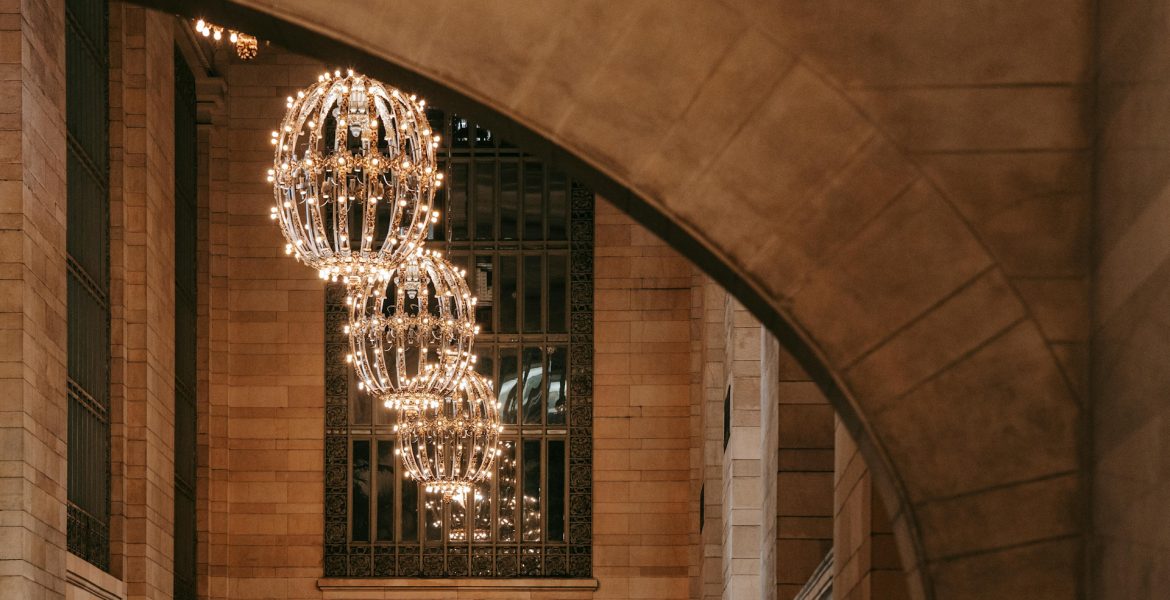
We see a carefully designed lighting plan as the skeleton of a room’s electrical life, ensuring not only that there is light, but that it’s positioned and controlled effectively. The choice between recessed can lights, pendants, sconces, and track lighting isn’t just about aesthetics; it’s about managing electrical load, planning for circuit layout, and ensuring the right kind of light is available where it’s needed most. A well-executed lighting installation minimizes shadows, reduces eye strain, and can even highlight architectural features, all while ensuring wiring is safe, up to code, and easily accessible for future maintenance.
Shout Out to Good Neighbors Electric for permission to share some of their notes in this article!
We understand that the final, warm glow of a chandelier or the bright, focused beam of a task light is the culmination of meticulous work behind the walls. It’s the result of precise measurements, secure connections, and adherence to safety standards that ultimately create an environment that is both beautiful and electrically sound.
Do You Really Know Lighting COLOR?
What color to use where?
Light bulb color temperature, measured in Kelvin (K), describes how warm or cool the light appears. A lower Kelvin value means the light has a warmer, more yellow-orange tone, similar to a candle flame or a traditional incandescent bulb. A higher Kelvin value indicates a cooler, bluer light, like a bright, clear sky.
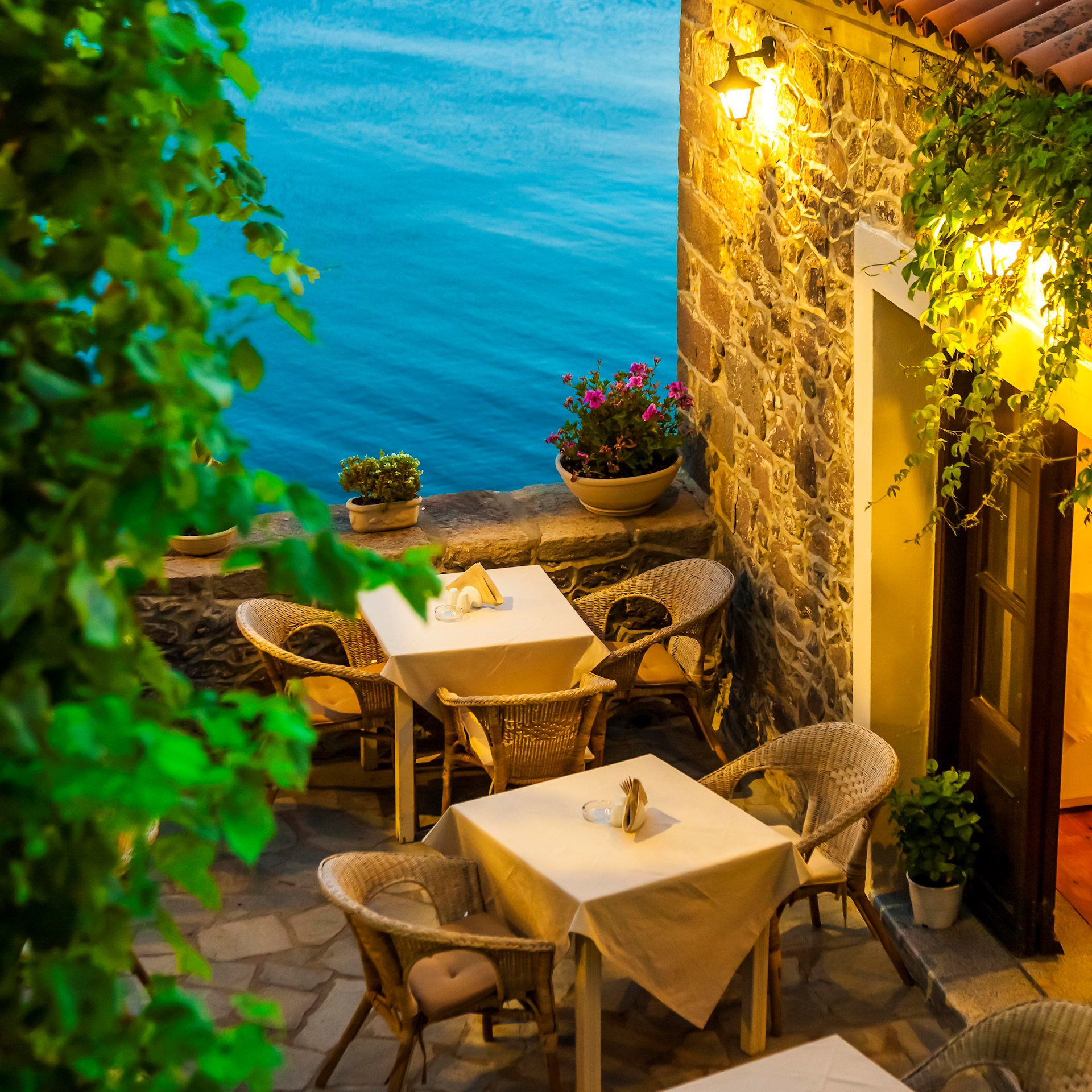
Warm White Light
This is the most common color temperature for residential use. It creates a cozy and relaxing atmosphere.
- Color Temperature: 2,700K–3,000K
- Appearance: Soft, yellowish-white light, similar to an incandescent bulb.
- Common Uses: Living rooms, bedrooms, and dining rooms where people want to feel comfortable and at ease. Eat-in kitchens for cozy vibes, but not for “over the sink” or prep tables. It’s often used in lamps, chandeliers, and other decorative fixtures.
Cool White Light
This color temperature is brighter and more neutral than warm white. It’s often associated with a clean, modern aesthetic.
- Color Temperature: 3,500K–4,100K
- Appearance: A brighter, whiter light with less yellow. It can have a slightly bluish tint.
- Common Uses: Kitchens, offices, and garages. It’s ideal for task lighting and areas where you need to be alert and focused. It can help improve concentration and productivity. Use over your kitchen sink.
Daylight Light
This is the coolest and brightest light color available for general use. It closely mimics natural sunlight.
- Color Temperature: 5,000K–6,500K
- Appearance: A very bright, crisp white light with a distinct bluish tone.
- Common Uses: Workspaces, retail displays, and areas where color accuracy is important, such as art studios or photography rooms. It’s also great for outdoor security lighting and garages. This type of light can make colors appear more vibrant and accurate.
There are some special mixed colors that light bulb manufacturers offer. We really like the “Reveal” bulbs – the new vibrancy revealed by that light is perfect for bathrooms and hallways. Light makes the magic!
Related Posts

As Promised: My List of Bye… Gone…
Where we as a society are pulled, so doth designers go. Or something like that! Join …

Designers Say: Leave These Trends Behind
Designers Say: Leave these trends behind in 2025 (Martha Stuart has the list!) …

What Does Sustainable Design Mean?
Mother Teresa Quote: "I only feel angry when I see waste. When I see people …

3D Space Plans
Our commitment to a 3D visual preview ensures you see your space fully realized before construction, …


