
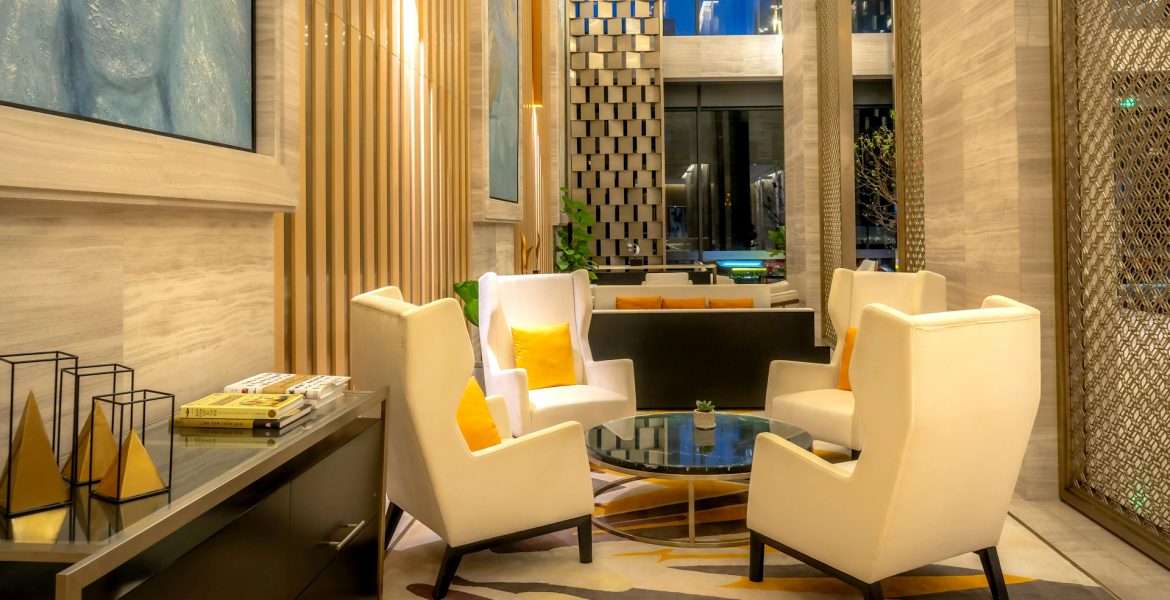
Visual Communications and Experiential Creations
Commercial retail design is undergoing a massive transformation today, moving far beyond simple shelving and product display.
The most significant trends are focused on creating experiences, prioritizing flexibility, and embracing sustainability and technology.
Here are the key trends I see in commercial retail space design:
1. THE EXPERIENTIAL STORE
The physical store is evolving into an immersive destination that offers something a customer can’t get online.
Destinations, Not Just Stores: Design is centered around creating a memorable, shareable experience (often called “retail-tainment”). This includes interactive displays, augmented reality (AR) try-ons, and Instagram-worthy photo moments.
High-Touch Service Areas: Spaces are being dedicated to consultation, personalization, and interaction with experts (e.g., in-store design desks, beauty consultation areas).
Community Hubs: Stores are hosting events, workshops, or incorporating features like cafes, art displays, or event spaces to encourage customers to linger longer and build a local community connection.
Sensory Design: The use of curated scents, soundscapes, lighting, and textures to tell the brand’s story and evoke a specific emotional response.
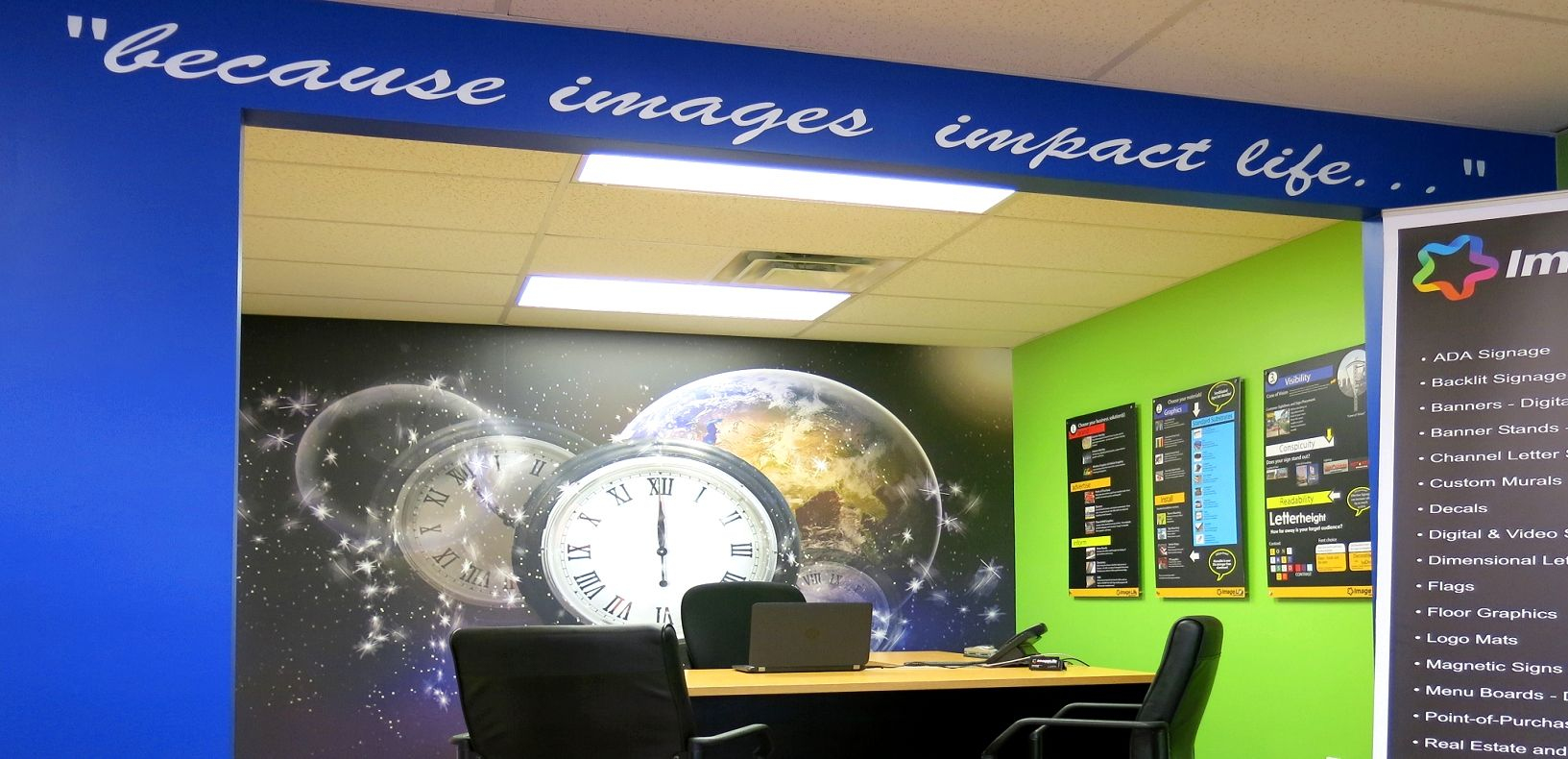
2. TECH-FORWARD DESIGN
As the only interior designer in California that is also DSEG certified as a DSCE (Dynamic Signage Certified Expert), technology is always on my radar for commercial clients. As a Principal for the unique digital signage services of LobbyPOP®, I am able to procure, produce, install and even manage digital directories, menu boards, wayfinding kiosks and more. You can call it Data-Informed Design: Leveraging data and AI to optimize store layouts and personalized product displays in real-time.
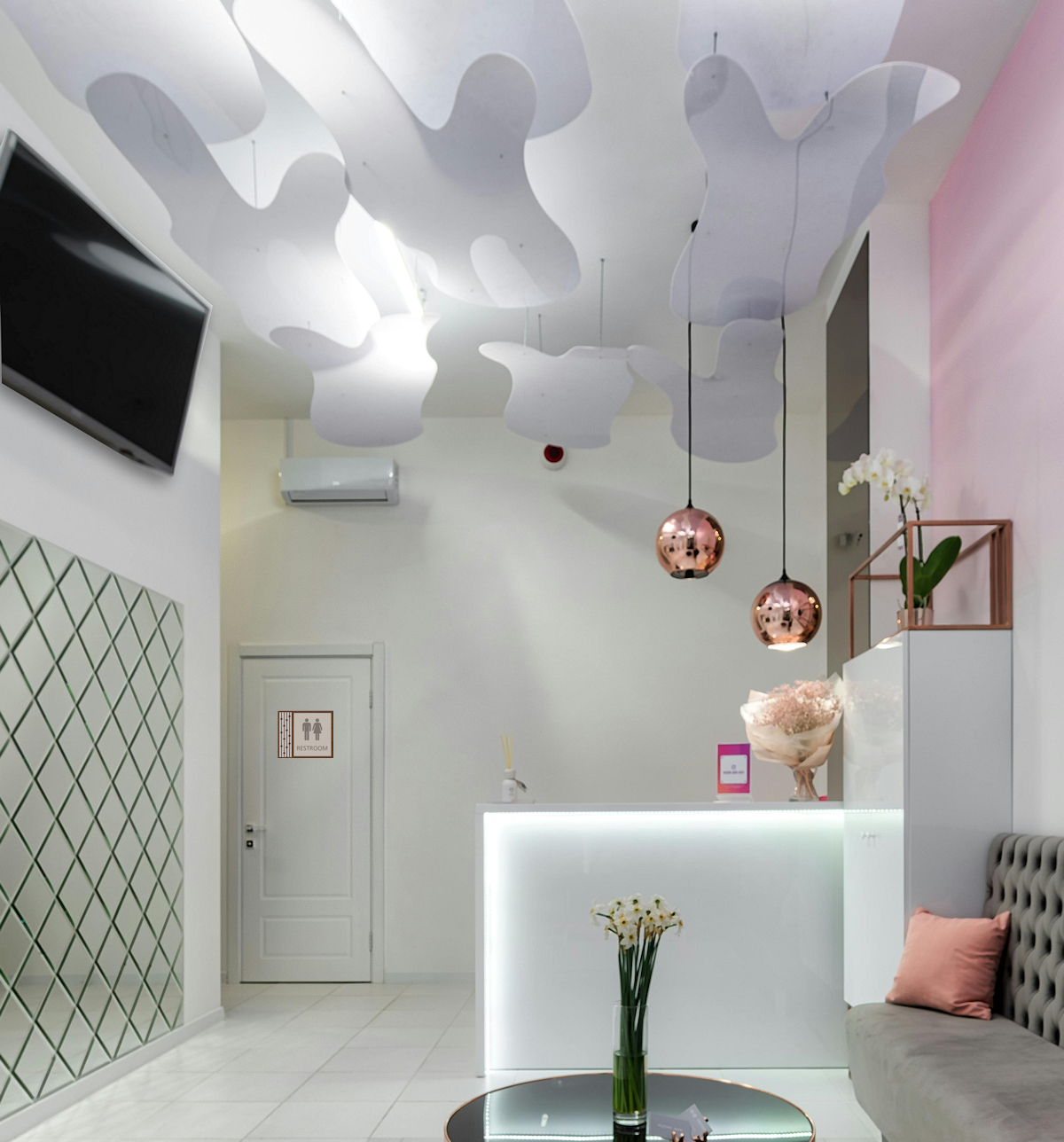
I am also very experienced in ADA Signage – a requirement in publicly accessible spaces.
More Commercial Design Trends
🌱 3. Sustainability and Wellness
Environmental consciousness is now a core part of brand identity and store design.
- Eco-Friendly Materials: Prioritizing the use of recycled, sustainably sourced, or upcycled materials for fixtures, flooring, and finishes.
- Biophilic Design: Incorporating natural elements like living walls, indoor greenery, natural light, and natural wood to create calmer, restorative environments.
- Energy Efficiency: Design that uses energy-efficient lighting (LEDs), smart climate control systems, and passive design strategies to reduce the building’s carbon footprint.
- Circular Economy: Utilizing modular fixtures and materials that can be easily disassembled, reused, or repurposed to minimize construction waste.
⚙️ 4. Flexibility and Adaptability
The need for spaces to quickly change their layout and function is critical.
Flexible Fixtures and Layouts: Using modular walls, movable furniture, and easily interchangeable display systems (often called “Flex Retail”) to quickly support pop-ups, events, or seasonal promotions without costly full remodels.
Small-Format & Localized Stores: A trend toward smaller, more curated store footprints that are tailored to the specific demographics and needs of the local community.
Adaptive Reuse: Repurposing vacant big-box stores or outdated centers into mixed-use developments that blend retail with residential, office, or entertainment spaces.
Header Photo by Quang Nguyen Vinh
Related Posts

As Promised: My List of Bye… Gone…
Where we as a society are pulled, so doth designers go. Or something like that! Join …

Designers Say: Leave These Trends Behind
Designers Say: Leave these trends behind in 2025 (Martha Stuart has the list!) …

What Does Sustainable Design Mean?
Mother Teresa Quote: "I only feel angry when I see waste. When I see people …

Lighting Color & Design
We understand that the final, warm glow of a chandelier or the bright, focused beam of …


